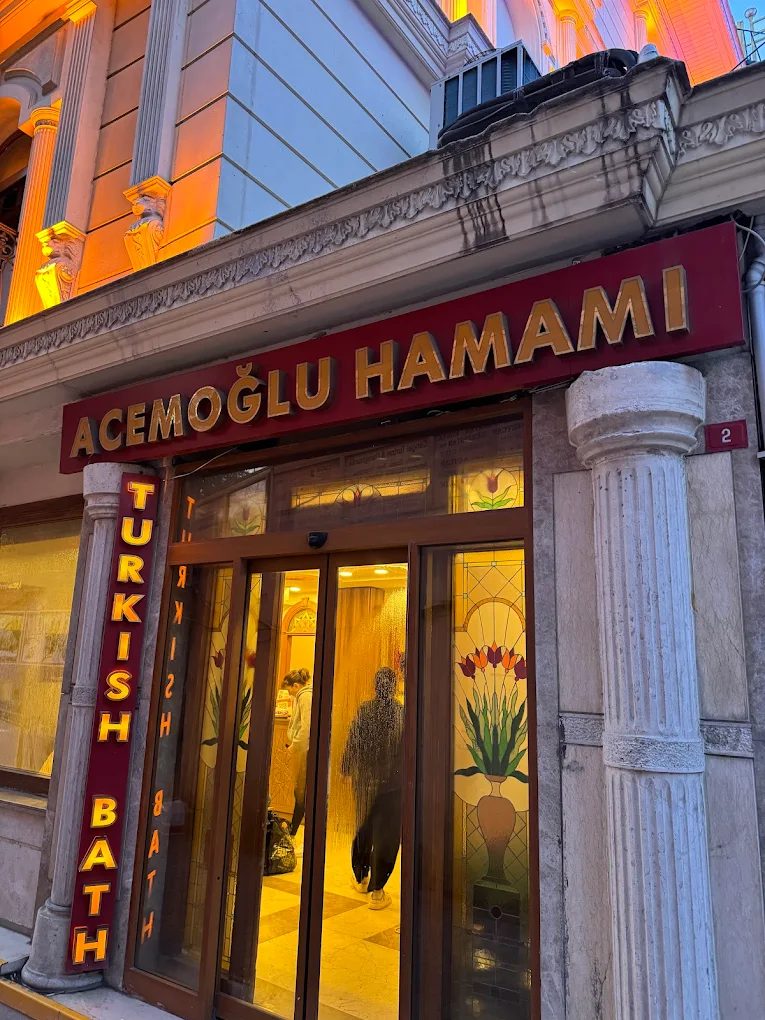
The Turkish hammam has long been recognized as a cornerstone of wellness culture, offering warmth, purification, and deep relaxation. During the colder months, when temperatures drop and the body seeks comfort, the hammam becomes an especially appealing retreat. The combination of warm steam, heated marble, traditional exfoliation, and soothing foam massage creates a deeply restorative experience. The winter hammam experience is not just physical cleansing; it provides emotional balance, stress release, and a sense of grounding that aligns perfectly with winter’s natural rhythm.
Why Turkish hammams offer deeper relaxation in cold seasons
As winter brings cooler temperatures, the body tends to hold tension, and muscles may feel tighter. The interior of a Turkish hammam, warmed by heated marble and enveloped in soft steam, encourages the body to relax. The warmth penetrates deeply, calming the nervous system and releasing tension in the shoulders, back, and legs. Unlike dry indoor heating, the hammam’s warmth is moist and gentle, which helps maintain a natural balance in the body. This deeper sense of relaxation makes hammams particularly attractive during winter months.
Physical and mental wellness benefits during winter
The sensory environment of the hammam supports mental clarity and emotional relief. Warm lighting, ambient sound, and the rhythmic rituals of washing and cleansing help clear the mind of daily stress. Many people experience seasonal mood fluctuations in winter; the hammam offers a comforting atmosphere that can support emotional well-being. The body and mind are allowed space to slow down, making room for relaxation and reflection.
Key benefits include:
- Reduced muscle and joint tension
- Improved emotional stability
- Enhanced sleep quality
- A renewed sense of calm and balance
The hammam provides a holistic wellness experience that is particularly valuable during the darker and colder months.
Steam therapy and respiratory health support
Respiratory comfort becomes especially important in winter. Dry indoor air and cold outdoor temperatures can irritate the sinuses and airway passages. Steam therapy in the Turkish hammam helps open nasal passages and supports breathing by moisturizing the respiratory system. Warm steam loosens congestion and can provide relief from winter discomforts such as sinus pressure and mild respiratory irritation. Some hammams use natural herbal steam infusions like eucalyptus, which is known to support easier breathing and relaxation.
The central heated marble platform, known as the Göbek Taşı, helps the body relax deeply, making breathing more natural and expansive.
Heat therapy to improve circulation in colder weather
Cold temperatures can restrict blood vessels and lead to poor circulation. Spending time in the warm environment of a hammam encourages blood flow throughout the body, delivering oxygen and nutrients more efficiently. Improved circulation can help reduce coldness in hands and feet, alleviate stiffness, and support heart health.
Heat therapy in the hammam can:
- Improve circulation
- Support muscle recovery
- Ease joint pressure
- Increase general vitality
This makes hammams particularly beneficial for individuals who feel physically sluggish during winter.
Traditional body exfoliation and skin renewal benefits
Winter air can cause the skin to become dry, flaky, and irritated. The traditional body exfoliation known as kese gently removes dead skin cells, allowing new, healthy skin to emerge. This encourages cell turnover and improves the skin’s texture. After exfoliation, natural olive oil-based soaps are used to cleanse and hydrate the skin. These soaps help nourish the skin without stripping away essential moisture, which is especially important in winter.
The result is skin that feels softer, rejuvenated, and visibly brighter.
Turkish foam massage for stress and tension release
The foam massage is one of the defining features of the hammam experience. A warm cloud of bubbles is gently massaged across the body, releasing tension from muscles and joints. The movements are rhythmic and soothing, which helps reduce emotional stress and physical fatigue. In winter, when muscles often feel tighter due to cold temperatures, the foam massage provides deep comfort and relaxation. The body is supported, the mind softens, and a feeling of complete ease settles in.
Social and cultural elements of hammam visits
The hammam has historically been a space for connection. Families, friends, and communities gathered here not only to cleanse the body but also to share conversation and companionship. During winter, when outdoor social interaction decreases, the hammam provides a warm, inviting environment for shared relaxation. It is a cultural experience rooted in hospitality and wellness, reflecting traditions that have been passed down through generations.
Hammam massage types and their benefits
Different types of massages may be offered depending on the hammam. Some of the most common include:
- Relaxation Massage: Light, flowing strokes meant to reduce stress.
- Deep Tissue Massage: Targets tension in deeper layers of muscle.
- Aromatherapy Massage: Essential oils are incorporated to support relaxation or energy renewal.
- Reflexology: Focuses on pressure points in the feet to stimulate circulation and balance.
These massages complement the hammam experience, enhancing relaxation and physical restoration.
Hammam packages and seasonal wellness rituals
Winter hammam packages are often curated to promote warmth and well-being. Treatments may include exfoliation, foam massage, aromatherapy, oil application, and herbal tea service. These packages turn the hammam visit into a complete wellness retreat, offering comfort during the cold season.
A typical winter ritual might include:
- Gentle warming in the steam room
- Kese exfoliation to refresh the skin
- Foam massage for relaxation
- Warm oil treatment for hydration
- Herbal tea to support calm and balance
This encourages deep restoration and renewed energy.
Tips for first-time hammam visitors in winter
- Drink water before and after your session to stay hydrated.
- Avoid heavy food before visiting.
- Allow time for rest after your treatment.
- Wear swimwear or use the traditional peştemal as required.
- Move slowly when transitioning between warm and cooler areas.
The hammam is designed to be experienced without rushing.
Frequently Asked Questions (FAQ)
- Why are hammams more popular in winter?
Because the warmth, steam, and massage offer comfort and relaxation when the weather is cold. - Is a hammam good for the immune system?
Yes, improved circulation and steam exposure can help support immune balance. - What should I wear in a hammam?
Most visitors wear swimwear or a traditional cloth wrap called a peştemal. - How often should someone visit a hammam in winter?
A visit every one to two weeks provides ongoing wellness benefits.
Experience the Winter Hammam Tradition at Acemoğlu Hamam
For those looking to fully embrace the warmth, comfort, and cultural richness of the Turkish hammam during winter, Acemoğlu Hamam offers a traditional environment with professional service and seasonal wellness packages. Discover deeply relaxing steam therapy, cleansing rituals, and foam massages designed to restore balance and rejuvenation. To explore treatments and make a reservation, visit:
https://www.acemogluhamam.com/tr