The Turkish Hammam is more than a bath; it is a cultural institution that has existed for centuries, reflecting the wisdom, aesthetics, and wellness philosophy of the Ottoman Empire. The Hammam combined ritual purification, social interaction, architectural brilliance, and holistic wellness, creating a unique experience that has stood the test of time.
Understanding the traditions behind the Hammam allows us to appreciate why it became not only a place for hygiene but also a center for health, social cohesion, and mental relaxation.
In this article, we will explore four ancient Ottoman traditions that shaped the history and enduring legacy of the Hammam.
1. The Ritual of Cleansing and Purification
In Ottoman culture, visiting the Hammam was considered a sacred ritual. Cleanliness was closely linked to both physical health and spiritual well-being. The sequence of activities often followed a specific order: warm steam baths, exfoliation, massage, and sometimes the application of aromatic oils.
Key Elements of the Cleansing Ritual
- Steam Bathing: The gentle heat softened the skin and opened pores, allowing toxins to exit the body naturally.
- Exfoliation with Kese: Ottoman bathers used traditional silk mitts called “kese” to remove dead skin, leaving the body refreshed.
- Massage and Oils: Massages stimulated blood circulation, reduced muscle tension, and improved flexibility.
- Spiritual Symbolism: Cleansing rituals often preceded important events such as weddings or religious ceremonies, connecting the body with spiritual preparation.
💡 Tip: These rituals were designed to harmonize the mind and body, showing that the Hammam experience was more than just physical cleansing—it was a holistic health practice.
Modern Relevance
Today, many spas still adopt these Ottoman purification techniques to provide detoxification, relaxation, and rejuvenation for their guests. Understanding these rituals helps modern visitors appreciate the therapeutic and cultural value of the Hammam.
2. Social Gathering and Community Life
The Ottoman Hammam was a hub of social interaction. Men and women visited in separate sections, yet the communal experience fostered connection and community bonding. The Hammam was a place for relaxation, celebration, and networking.
Social and Cultural Roles of the Hammam
| Tradition | Purpose | Modern Application |
|---|---|---|
| Gender-specific sections | Privacy for women and men | Many modern Hammams maintain separate hours for comfort |
| Family ceremonies | Weddings, childbirth rituals | Spa packages inspired by Ottoman family rituals |
| Storytelling & networking | Sharing news and cultural stories | Today’s Hammams sometimes host cultural workshops |
| Intergenerational bonding | Bridging age and class differences | Encourages family and friends to experience wellness together |
Visiting the Hammam was more than hygiene—it was a cultural event, reinforcing social cohesion and preserving centuries-old traditions.
💬 Note: The communal aspect of the Hammam promoted emotional well-being, reducing stress through shared relaxation and conversation.
3. Architectural Innovation and Thermal Design
Ottoman Hammams were architectural masterpieces. Every element—from domed ceilings to heated marble floors—was meticulously designed to maximize comfort, hygiene, and thermal efficiency.
Architectural Highlights
- Domed Ceilings: Promoted natural circulation of steam and prevented condensation dripping onto bathers.
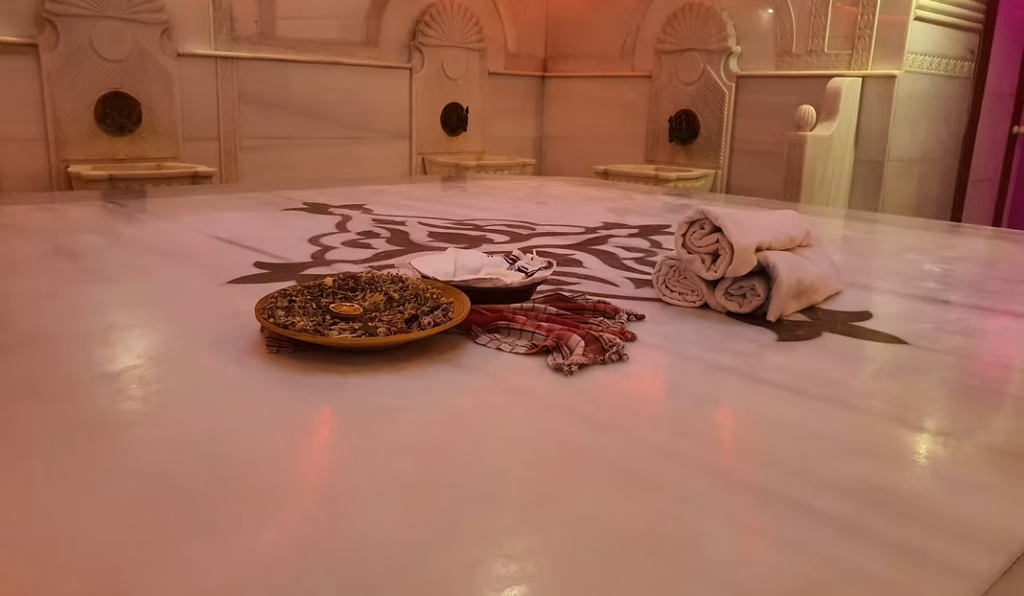
- Marble Interiors: Retained heat, ensured hygiene, and reflected Ottoman elegance.
- Heated Floors and Water Channels: Allowed gradual warming and optimal water distribution for maximum comfort.
- Ornate Decoration: Marble carvings, mosaic tiles, and intricate fountains created both beauty and functionality.
Impact on the Hammam Experience
The architectural design created an immersive experience that enhanced wellness. Heat, humidity, and aesthetic beauty combined to produce a sanctuary for both body and mind.
💡 Interesting Fact: Some Ottoman Hammams included private rooms for high-ranking officials and sultans, demonstrating the integration of wellness and social hierarchy.
4. Wellness Practices and Holistic Health
Ottoman bathers understood that physical cleansing alone was insufficient; wellness required attention to mental and spiritual health. The Hammam offered practices to detoxify, relax, rejuvenate, and balance emotions.
Health Benefits Embedded in Ottoman Practices
- Detoxification: Steam baths encouraged sweating, eliminating toxins naturally.
- Muscle Relaxation: Massage, heated stones, and warm water relieved tension.
- Skin Rejuvenation: Exfoliation and oils nourished and softened the skin.
- Stress Relief: Quiet spaces, meditation, and gentle heat provided mental clarity.
Integrating Aromatherapy
Ottomans often used rosewater, jasmine, and eucalyptus oils, which enhanced relaxation, improved mood, and supported respiratory health. These natural remedies emphasized holistic well-being, blending tradition and science.
💬 Note: Ottoman wellness practices laid the foundation for modern spa therapy, showing that ancient traditions can still benefit contemporary health.
Extended Benefits and Modern Insights
Visiting a traditional Hammam offers numerous benefits that align with modern wellness trends:
| Category | Benefit | Description |
|---|---|---|
| Physical Health | Detox & Circulation | Steam and massage improve blood flow and toxin elimination |
| Mental Health | Stress Relief | Quiet, heated environments reduce anxiety and enhance focus |
| Skin Care | Rejuvenation | Exfoliation and oils leave skin soft and glowing |
| Cultural Experience | Tradition & Ritual | Connects visitors with centuries-old Ottoman heritage |
| Holistic Wellness | Mind-Body Balance | Combines physical, emotional, and spiritual well-being |
💡 Tip: Regular Hammam visits can boost immunity, improve sleep, and restore energy, demonstrating the timeless value of Ottoman traditions.
FAQ: 4 Ancient Ottoman Traditions That Shaped the History of the Hammam
- What made the Ottoman Hammam culturally significant?
It combined cleansing rituals, social gatherings, architecture, and holistic wellness. - Were Hammams used for spiritual practices?
Yes, purification rituals often included spiritual and social symbolism. - How did architecture affect the Hammam experience?
Domes, heated floors, and water channels created perfect heat, humidity, and comfort. - Did Ottoman Hammams provide health benefits?
Yes, they promoted detoxification, relaxation, skin care, and stress relief.
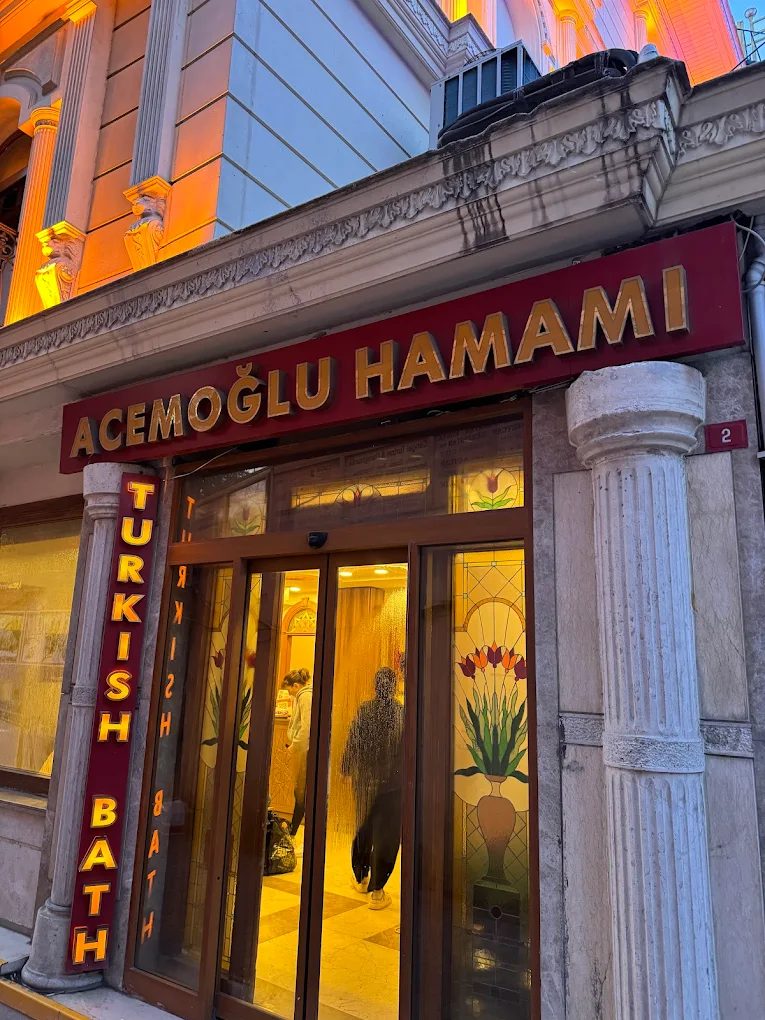
Experience Authentic Ottoman Tradition at Acemoğlu Hammam
Discover the authentic Ottoman Hammam experience at Acemoğlu Hammam. Combining centuries-old rituals with modern wellness standards, Acemoğlu Hammam offers deep cleansing, relaxation, and holistic rejuvenation. Every detail is designed to restore balance, energy, and mental clarity, making it the perfect destination for cultural enthusiasts and wellness seekers alike. Explore more at acemogluhamam.com/tr.