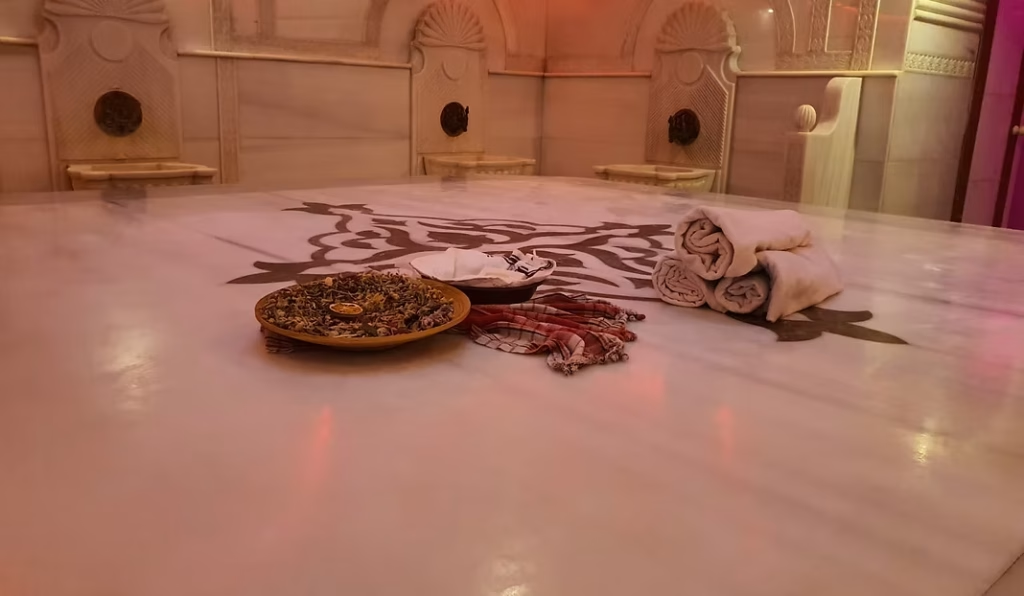
A traditional Turkish bath (known as a hammam or hamam) is not just about cleansing the body — it’s a centuries-old cultural ritual deeply rooted in Turkish bath history and wellness tradition. The Turkish bath experience blends relaxation, purification, and social connection, offering a unique Turkish spa experience unlike any other in the world.
Below, you’ll discover the 10 steps of the Turkish bath process, from entering the steamy marble rooms to enjoying herbal tea in the resting lounge — all explained in detail for first-time visitors and wellness enthusiasts.
What is a Turkish Bath?
A Turkish bath is a traditional steam-based bathing ritual that originated from the ancient Roman and Byzantine bathhouses, later refined during the Ottoman Empire. The Turkish hammam serves both hygienic and social purposes — a place to cleanse, detoxify, and rejuvenate the body while connecting with Turkish culture.
Inside a hammam, visitors go through several heated rooms designed to open pores, soften skin, and prepare the body for deep exfoliation. The experience combines heat therapy, scrubbing, foam massage, and relaxation, making it a cornerstone of Turkish wellness culture.
Typical Turkish bath treatments focus on body cleansing, massage, and mental rejuvenation, promoting circulation and relaxation.
Step 1 – Entering the Hammam: Setting the Atmosphere
Upon entering the authentic Turkish bath, the serene environment immediately sets the tone. The scent of soap, the sound of running water, and the soft glow of marble interiors create a tranquil mood.
Traditional hammams often feature ornate Ottoman architecture, domed ceilings, and intricate tile work. Attendants greet guests warmly, offering guidance through each part of the Turkish bath ritual.
This atmosphere is designed to disconnect you from the outside world and help you begin your hamam experience in Turkey with a calm, open mindset.
Step 2 – Changing Rooms and Pestemal Preparation
After check-in, guests are guided to private changing rooms, known as camekan. Here, you’ll undress and wrap yourself in a pestemal, a thin cotton towel used for modesty and comfort during the Turkish bath process.
Lockers or baskets are typically provided for storing personal items. It’s best to remove all jewelry and makeup to allow the skin to breathe freely.
The pestemal, often striped and handwoven, symbolizes cleanliness and the start of the Turkish bath treatment.
Step 3 – Warming Up in the Hararet Room
The hararet is the central, hot steam chamber — the heart of every traditional Turkish bath. As you enter, your body gradually adjusts to the humid heat, opening up pores and loosening muscles.
You’ll sit or lie on the heated marble platform, known as the göbek taşı, for 10–15 minutes. This step enhances circulation and prepares your skin for the upcoming exfoliation.
In hammams in Istanbul, attendants may pour warm water over your body periodically, keeping your skin moist and ready for the kese scrub.
Step 4 – Full-Body Scrubbing (Kese) Ritual
The kese ritual is one of the most iconic parts of the Turkish bath experience. Using a coarse mitt made from silk or goat hair, the attendant (called a tellak for men or natır for women) performs a vigorous full-body exfoliation.
This process removes layers of dead skin, unclogs pores, and stimulates blood flow. You’ll be amazed by how much skin residue is washed away!
This Turkish bath treatment is both revitalizing and symbolic — cleansing the body and spirit from impurities.
Tip: Don’t be surprised if the scrubbing feels intense; it’s meant to renew your skin completely.
Step 5 – Foam Massage and Relaxation
After exfoliation, your body is covered in a rich layer of soft, warm foam created from olive oil soap. The foam massage that follows is deeply soothing, easing muscle tension and hydrating the skin.
Attendants use circular and long sweeping motions to promote relaxation and improve blood circulation. The gentle scent of traditional soaps enhances the Turkish spa experience, leaving your body silky smooth and refreshed.
Many describe this as the most luxurious step of the Turkish bath ritual — the perfect balance between cleansing and calm.
Step 6 – Rinsing and Cooling Down
Once the foam massage is complete, warm water is poured over your body for a thorough rinse. This stage washes away all soap and impurities, marking the transition from heat to cool.
After rinsing, guests move to a cooling room, where the body gradually returns to normal temperature. This helps regulate blood flow and prevents dizziness after the intense steam and heat exposure.
Many hammams also offer optional cold water buckets for a refreshing finale — a shock therapy that boosts the immune system and invigorates the senses.
Step 7 – Optional Oil Massage Treatments
Following the traditional Turkish bath process, guests can indulge in optional oil massage treatments. Using essential oils like lavender, rose, or eucalyptus, therapists perform a soothing full-body massage designed to enhance relaxation and skin nourishment.
These massages may last from 20 to 60 minutes, depending on the package. They combine Eastern and Western techniques to release muscle tension, relieve stress, and extend the wellness benefits of the Turkish bath.
This modern touch complements the ancient Turkish hammam steps, offering a bridge between history and luxury.
Step 8 – Herbal Tea and Resting Lounge
After the treatment, guests are guided to the resting lounge, often adorned with cushions, marble fountains, and warm ambient lighting. Here, you can sip on herbal tea or Turkish sherbet while your body cools and rehydrates.
This relaxation period allows you to fully absorb the Turkish bath wellness benefits, including improved circulation, detoxification, and deep mental calm.
Many visitors consider this moment — sipping tea, wrapped in a fresh towel, feeling rejuvenated — the most peaceful part of the authentic Turkish bath experience.
Step 9 – Cultural Etiquette and Hammam Tips
Understanding Turkish bath etiquette enhances your comfort and respect for local culture.
Here are a few important hammam tips for first-time visitors:
| Do’s | Don’ts |
|---|---|
| Bring your own swimsuit if preferred | Don’t wear heavy perfume or makeup |
| Stay hydrated before and after the session | Don’t rush between hot and cool rooms |
| Listen to the attendants — they guide the process | Avoid large meals right before the bath |
| Respect privacy and gender separation rules | Don’t use your phone inside the hammam |
While some Turkish baths are unisex, most are separated by gender or have different hours for men and women. Always check beforehand, especially if you are visiting a Turkish bath in Istanbul.
Step 10 – Turkish Bath Experiences in Istanbul and Beyond
When searching for a Turkish bath near me, Istanbul offers some of the world’s most iconic hammams.
Famous Hammams in Istanbul:
- Acemoğlu Hamam – One of the most authentic Turkish baths in Istanbul, Acemoğlu Hamam preserves traditional Ottoman architecture while offering a genuine Turkish hammam experience that combines history and relaxation.
- Beethoven Premium Spa – A modern Turkish spa experience located in the heart of Istanbul, blending contemporary wellness services with elements of the traditional Turkish bath ritual. Ideal for those seeking comfort, hygiene, and premium treatments.
- Tarihi Gedikpaşa Hamam – Established in the 15th century, this historical Turkish bath is one of the oldest in Istanbul. With its grand marble interiors and centuries-old ambiance, it offers visitors an unforgettable authentic Turkish bath steeped in Ottoman heritage.
No matter which location you choose, every Turkish hammam continues to symbolize purity, renewal, and cultural connection — key elements of Turkish bath culture that have endured for centuries.
FAQs
- What is a Turkish bath?
A Turkish bath is a traditional steam-based cleansing ritual combining heat, exfoliation, and massage for relaxation and purification. - How long does a Turkish bath session last?
A typical Turkish bath treatment lasts between 60 and 90 minutes, depending on the chosen package. - What should I wear in a Turkish bath?
Guests usually wear a pestemal or swimsuit, depending on personal comfort and hammam etiquette. - Are Turkish baths unisex or separate?
Most Turkish baths are gender-separated, though some modern ones offer unisex or private sessions. - Where can I find the best Turkish bath near me?
You can find top-rated Turkish baths in Istanbul and major Turkish cities, often in historical or luxury spa settings.