The hammam is one of the most iconic architectural symbols of the Middle East and Anatolia, representing centuries of tradition, craftsmanship, and cultural identity. Known for its steam-filled chambers, warm marble surfaces, and serene atmosphere, the traditional Turkish bath is far more than a wellness space. It is a masterpiece of architectural engineering designed to purify the body, relax the mind, and elevate the spirit. Understanding the secrets behind hammam architecture—especially the domes, the göbek taşı, and the kurna—reveals how these elements create a powerful sensory and therapeutic experience.
In this article, we explore the history, structure, symbolism, and engineering behind the hammam’s architectural components. Whether you are a spa owner, traveler, historian, or wellness enthusiast, this in-depth guide offers a fresh perspective on one of the world’s most unique architectural traditions.
The Historical Foundations of Hammam Architecture
Hammam architecture draws from multiple civilizations. Ancient Roman bathhouses provided the structural precedent, while Ottoman architects refined the aesthetic and spiritual significance. Over centuries, the hammam became an essential part of daily life, serving not just as a cleansing space but also as a social, cultural, and even ceremonial hub.
Architects of the classical Ottoman era designed hammams with a focus on symmetry, controlled heat distribution, natural light, and acoustics. Every architectural element had a purpose. Nothing was decorative for decoration’s sake. The dome guided light, the göbek taşı distributed heat, and the kurna delivered water in a ritualistic and practical way.
Understanding these features unlocks the structural intelligence that makes hammams unique.
The Dome: The Heart of Hammam Architecture
Architectural Purpose
The first thing visitors notice upon entering a traditional hammam is the high, elegant dome. It is not only aesthetically breathtaking—it is also a key engineering component.
The dome helps regulate temperature and humidity. Its height allows steam to rise, preventing discomfort and overheating for guests. The rounded structure disperses condensation across the surface, ensuring that water drips gently rather than collecting in one area. This consistent steam circulation is essential for the hammam’s therapeutic environment.
Natural Lighting Through Star-Shaped Openings
Most domes feature small, circular or star-shaped glass openings. These apertures serve two primary purposes:
- They allow natural sunlight to enter the hammam, creating a soft, mystical glow.
- They provide ventilation without disrupting the delicate balance of humidity.
Light filtered through these small windows creates shifting patterns on the marble floor, enhancing the calming atmosphere. This interplay between light and steam is one of the core aesthetic experiences of a traditional hammam.
Acoustics and the Sensory Experience
The dome also enhances sound. The curved surface amplifies echoes, creating a soothing acoustic effect that elevates the visitor’s perception of silence, water, and movement. This soundscape contributes to the meditative nature of the space.
Göbek Taşı: The Thermal and Spiritual Center
What Is the Göbek Taşı?
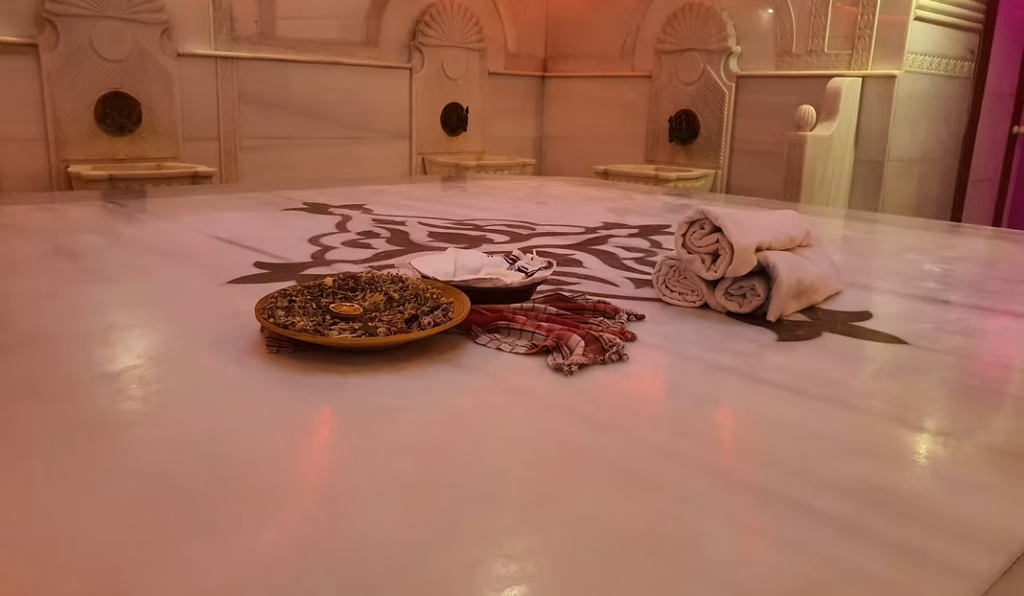
At the center of many hammams lies a large, heated marble platform known as the göbek taşı—literally “navel stone.” This is where the body warms, relaxes, and prepares for cleansing rituals. The göbek taşı is a defining feature of the hammam experience and one of the most carefully engineered parts of the structure.
Heat Distribution and Design
The göbek taşı is heated from beneath and retains warmth due to the dense nature of marble. Its temperature remains consistent, offering full-body relaxation while supporting improved blood circulation. Architects designed it to be large enough for multiple guests, often shaped as a perfect circle or polygon to symbolize continuity and balance.
Rituals Performed on the Göbek Taşı
Traditional treatments such as:
- Kese (exfoliation)
- Foamy soap massage
- Thermal relaxation
take place on the göbek taşı. Its elevated position allows therapists to work comfortably while guests remain fully relaxed. It is both a practical and symbolic center of the hammam ritual.
Symbolic Meaning
Historically, the göbek taşı represented purification, rebirth, and preparation. The warmth opens pores, softens the skin, and calms the spirit—aligning the physical cleansing with an emotional or symbolic renewal.
Kurna: The Timeless Water Basin of the Hammam
Purpose and Design
The kurna is a marble or stone basin attached to the walls of the hammam. Each kurna is fitted with two taps:
- One for hot water
- One for cold water
Guests fill the basin to their desired temperature and use a copper bowl to pour water over the body. The simplicity of this ritual is one of the hammam’s greatest charms.
The Flow of Water
Unlike modern showers, the hammam’s kurna provides a sensory experience:
- The sound of flowing water
- The cooling touch of marble
- The rhythm of water cleansing the skin
Architecturally, the placement of the kurna ensures smooth water flow and efficient drainage while preserving the tranquil atmosphere.
Symbolic and Cultural Role
The kurna represents purity. In Ottoman culture, water symbolized both physical and spiritual cleansing. The act of pouring water from the kurna over the body was more than hygiene—it was an intentional, mindful ritual.
The Perfect Balance of Heat, Light, and Water
A defining characteristic of hammam architecture is the balance between three natural elements:
- Heat from the göbek taşı
- Light from the dome
- Water from the kurna
These three components interact harmoniously to create the hammam’s signature atmosphere. Heat loosens muscles, water washes impurities, and light calms the mind. The design supports both comfort and tradition, blending functionality with artistic craftsmanship.
Why Hammam Architecture Still Inspires Modern Wellness
Today’s luxury spas and wellness centers draw inspiration from the same architectural techniques perfected centuries ago. Elements such as steam therapy, heated stone platforms, marble interiors, and ambient lighting all originate from classical hammam design.
The genius of hammam architecture lies in its ability to combine beauty, engineering, wellness, and ritual into a single space.
FAQ: Hammam Architecture Explained
- Why are hammams built with domes instead of flat ceilings?
Domes regulate heat and humidity more effectively, prevent dripping water from collecting in one spot, and enhance natural light and acoustics. This creates the ideal environment for steam bathing. - What makes the göbek taşı important in hammam design?
The göbek taşı provides consistent heat that relaxes muscles, opens pores, and prepares the skin for exfoliation. It is also the central point of traditional hammam rituals. - How does a kurna differ from a normal water basin?
A kurna features separate hot and cold taps and is designed for pouring water manually using a copper bowl, creating a more immersive sensory experience. - What materials are commonly used in hammam construction?
Marble is the primary material due to its heat retention, durability, and elegance. Stone, glass, copper, and traditional tiles also play important roles. - How does natural light affect the hammam atmosphere?
Light entering through dome openings creates a soft, calming ambiance that enhances the overall sensory and meditative environment. - Why are hammams considered both functional and spiritual spaces?
Hammam architecture is designed to support both physical purification and symbolic renewal, blending wellness, culture, and tradition into one experience.
Conclusion: Timeless Architecture That Continues to Inspire
The secrets of hammam architecture its domes, göbek taşı, and kurna—reveal a deeply sophisticated design philosophy that connects beauty, tradition, and engineering. Every structural element exists for a reason. Every detail enhances the guest’s experience. From the light that enters through the dome to the warmth of the central stone and the soothing rhythm of water from the kurna, the hammam remains an architectural masterpiece that transcends time.
https://www.acemogluhamam.com/