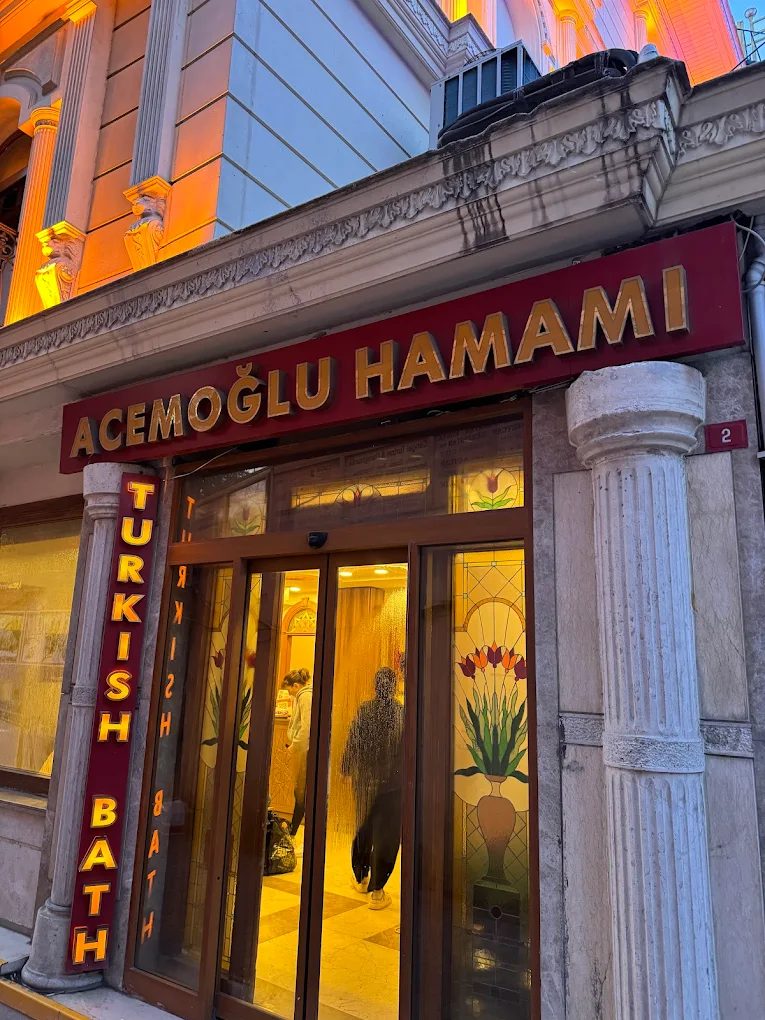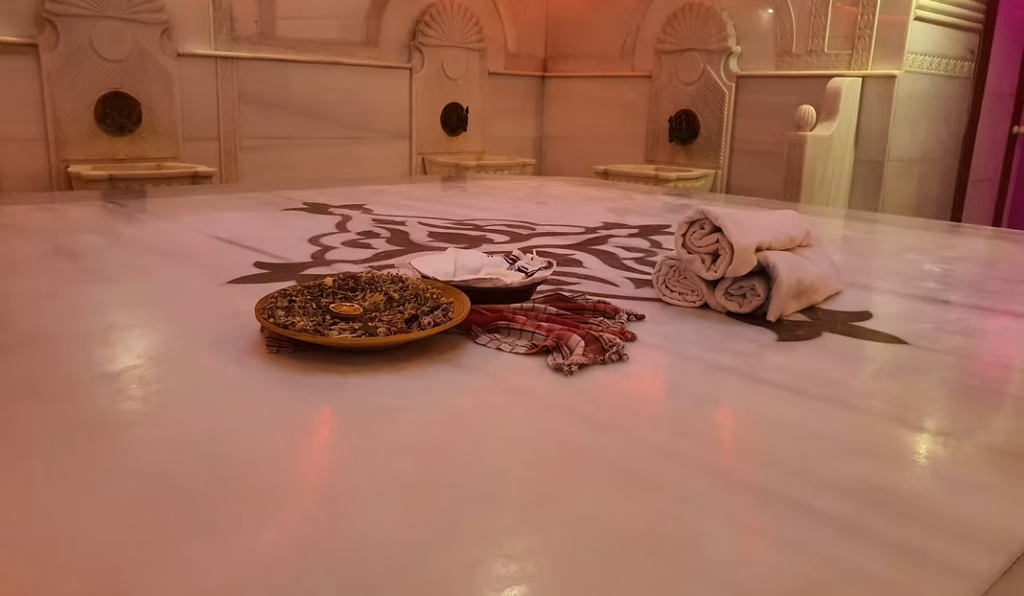
A hammam, also known as a Turkish bath, is one of the most enduring wellness traditions in the world. Combining steam, warm marble, water cleansing rituals, exfoliation, and soothing massage techniques, the hammam offers a rich sensory experience rooted in centuries of history. Originating from ancient Roman bathing culture and evolving into a refined ritual during the Ottoman era, the hammam continues to attract people seeking deep relaxation, full-body cleansing, and cultural immersion.
Today, the hammam stands as both a cultural heritage and a modern wellness practice. This article explores what a hammam is, how the complete ritual is performed, the stages involved, the physical and mental benefits, and what first-time visitors should know before stepping inside. By the end, you’ll understand why the Turkish bath remains one of the world’s most recognizable spa experiences.
What Is a Hammam?
A hammam is a steam-based bathhouse designed for relaxation, purification, and exfoliation. Unlike a dry sauna, a hammam uses high humidity and warm temperatures to soften the skin and open the pores, making the body more receptive to cleansing techniques. Within the bathhouse, water, steam, heat, and manual scrubbing work together to create a complete rejuvenation experience.
A traditional hammam typically consists of several interconnected areas:
- A warm space where the body begins to adjust to the heat
- A central hot room with a heated marble platform
- Several water basins for washing and cooling
- A resting area for relaxation after the treatment
Many modern hammams also offer complementary services such as oil massages, aromatherapy, facial treatments, and detoxifying body masks, yet the essence of the ritual still lies in heat, exfoliation, and water.
How Is a Hammam Done? Step-by-Step Stages of the Ritual
Below is a detailed walkthrough of the full hammam experience from beginning to end.
1. Entering the Warm Room
The hammam experience begins in a warm environment where your body slowly adapts to rising temperatures. The purpose of this phase is to warm the skin, loosen muscles, and prepare the body for deeper heat exposure. The warm air helps open pores and encourages light sweating, which plays a key role in the cleansing process.
This first stage is intentionally gentle, allowing visitors to relax and clear their mind as their body adjusts to the ambiance.
2. Relaxing on the Heated Marble Platform
After spending a short time in the warm room, you transition into the hot chamber, where the most iconic feature of the hammam awaits: the large heated marble platform. Lying on this warm stone promotes intense sweating and helps release built-up tension in the muscles. The combination of steam and marble heat creates a soothing environment that prepares the skin for exfoliation and deep cleansing.
Many people describe this moment as the most calming part of the entire ritual. The heat penetrates the muscles, melting away stress and delivering a sense of complete physical surrender.
3. Full-Body Exfoliation
Once your skin is sufficiently softened by heat and steam, the exfoliation stage begins. A trained attendant uses a textured exfoliating glove to remove dead skin cells from the body. This traditional scrubbing technique is thorough and deeply cleansing, often revealing renewed, smooth, and glowing skin underneath.
The exfoliation stage helps:
- Clear clogged pores
- Increase blood circulation
- Stimulate skin regeneration
- Prepare the body for foam washing
For many people, the exfoliation is the most transformative moment of the ritual, leaving the skin noticeably brighter and refreshed.
4. Foam Washing Ritual
After exfoliation, a rich, silky foam is created using a special cloth bag dipped into soapy water. The attendant releases the foam over your body in thick, cloud-like layers and performs gentle washing movements that cleanse and massage the skin at the same time. The sensation is soothing, warm, and soft, creating a comforting and luxurious experience.
The foam washing ritual hydrates the skin and removes lingering impurities, bringing the cleansing stage to its peak.
5. Rinsing With Water
When the foam massage is complete, warm water is gently poured over the body to rinse away the soap and leave the skin clean and refreshed. Some hammams alternate between warm and cooler water to stimulate circulation and energize the body.
This step marks the transition from deep cleansing to calm restoration.
6. Optional Massage and Body Treatments
Many hammams offer extended treatment packages that may include:
- Aromatherapy massages
- Hydrating oil massages
- Clay body masks
- Detoxifying scrubs
- Facial cleansing rituals
While optional, these treatments enhance relaxation, support skin health, and prolong the soothing atmosphere of the hammam ritual.
7. Resting After the Ritual
After completing the cleansing process, visitors are guided to a resting area to cool down and rehydrate. This period is essential, allowing the body to return to its natural temperature while maintaining the deep relaxation achieved during the session. Warm herbal tea or cool water is often provided.
This final stage ensures that both mind and body feel calm, balanced, and rejuvenated.
Health and Wellness Benefits of the Hammam
The hammam ritual is much more than a bath; it is a multifaceted wellness experience. Here are the key benefits supported by both tradition and modern wellness science.
1. Deep Cleansing of the Skin
Exfoliation removes dead skin cells and encourages healthy renewal. This leads to smoother, softer, and brighter skin, making the hammam an excellent choice for those seeking improved skin texture.
2. Stimulation of Circulation
Heat, steam, and exfoliation help stimulate blood flow throughout the body. This improved circulation contributes to better oxygen delivery to tissues and supports natural detoxification processes.
3. Muscle Relief and Relaxation
The warm marble platform and steam loosen muscles and help alleviate tension. This benefit makes the hammam particularly valuable for individuals dealing with stress, stiffness, or soreness.
4. Mental Relaxation
The hammam environment promotes deep mental calm. The warm temperature, gentle sounds of water, and slow rhythmic movements help reduce stress levels and encourage mental clarity.
5. Support for the Immune System
Exposure to warm steam may help activate immune responses by increasing circulation and encouraging gentle detoxification.
6. Respiratory Benefits
Steam can help moisten the sinuses and airways, offering potential relief for individuals exposed to dry environments or experiencing mild respiratory discomfort.
7. Overall Wellness Boost
The combination of heat therapy, exfoliation, cleansing, and relaxation promotes a balanced sense of well-being. Most visitors leave feeling lighter, refreshed, and revitalized.
Who Is the Hammam Suitable For?
The hammam experience is ideal for people seeking relaxation, skin care, detoxification, or cultural immersion. It is also excellent for travelers who want to recover from long flights or individuals with high stress levels seeking natural relaxation methods.
While the hammam is suitable for most people, those with specific medical conditions should consult a healthcare professional before participating in heat-based rituals.
Tips for First-Time Visitors
If you are visiting a hammam for the first time, consider the following tips:
- Drink plenty of water before and after your session
- Avoid heavy meals beforehand
- Allow your body time to adjust to the heat
- Communicate your comfort preferences with attendants
- Take time to rest afterward for the best results
Frequently Asked Questions
- What should I wear in a hammam?
Towels or coverings are provided, and swimwear is allowed depending on local policies. - How long does a hammam session last?
Most sessions last between 45 and 90 minutes depending on the treatments selected. - Is the exfoliation painful?
It is not painful, but it may feel intense for first-time visitors. - Is a hammam suitable for sensitive skin?
Yes, but requesting gentle exfoliation is recommended. - Do I need to bring anything with me?
Most hammams provide towels, washing materials, and exfoliation gloves. - How does a hammam differ from a sauna?
A hammam uses moist heat and includes cleansing rituals, while a sauna uses dry heat. - Is the hammam safe for everyone?
Generally yes, although individuals with medical conditions should seek medical advice. - Can I eat before my session?
Light snacks are fine, but heavy meals should be avoided. - How often can I visit a hammam?
Many people go weekly or monthly based on preference and skin sensitivity. - Is tipping expected?
Yes, tipping attendants is common and appreciated.
Final Thoughts
The hammam is more than a traditional bath; it is a complete wellness journey that blends purification, relaxation, and centuries of cultural heritage into one unforgettable experience. By embracing steam, heat, cleansing rituals, and comforting therapeutic movements, the hammam offers both physical and mental renewal. Whether you are looking to unwind, refresh your skin, or experience a meaningful cultural tradition, the hammam provides a deeply restorative escape that continues to thrive in the modern world.
https://www.acemogluhamam.com/