In modern life, daily stress and mental fatigue directly impact our physical and emotional health. This is why many people seek Turkish bath and spa experiences to relax, rejuvenate, and take care of their overall wellness. While both offer unique benefits, they differ significantly in origin, techniques, and results. This article explores the main differences between Turkish baths and spas, helping you make the best choice according to your personal needs and lifestyle.
Popularity of Turkish Baths and Spas
Both the Turkish bath and the spa have been used historically for cleansing, relaxation, and stress management.
- Turkish Bath: Originating in Middle Eastern and Mediterranean cultures, it offers a social and ritual experience. Visitors enjoy not just a cleansing routine, but also a community experience, making it more than a simple bath.
- Spa: Evolved into modern wellness centers, providing individual and personalized treatments, from massages to hydrotherapy and skincare services. Its focus is on the physical and mental wellbeing of the individual.
Both improve blood circulation, reduce muscle tension, and support skin health. However, the Turkish bath emphasizes ritual and tradition, while the spa focuses on personalized therapy and deep relaxation.
1. Origin and Cultural Context
Turkish Bath
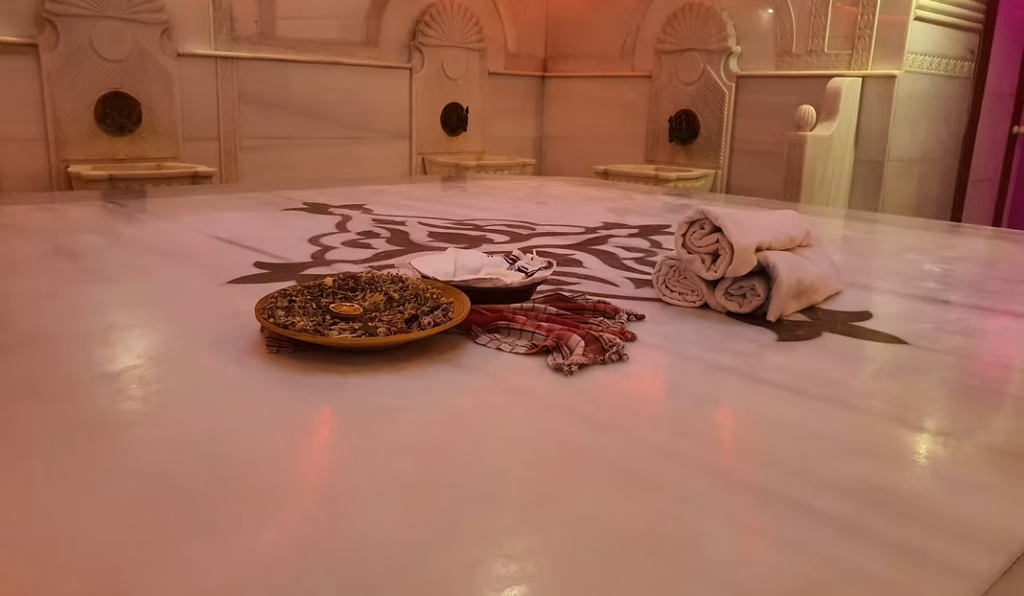
The Turkish bath is a traditional bathing practice rooted in Ottoman and Turkish culture. It has served for centuries for both physical cleansing and social interaction. Typical Turkish bath rituals include:
- Warm-Up Room (Tepidarium): A warm environment to prepare the body and stimulate sweating.
- Steam Room (Hararet): Opens pores, removes toxins, and softens the skin.
- Kese and Massage: Exfoliates the skin and improves blood circulation.
In addition, the Turkish bath provides a unique social experience, often involving group visits and communal interaction. The combination of heat, steam, and massage creates a sense of total renewal.
Spa
The spa originated in Europe and has developed into a comprehensive wellness center. Treatments are designed for personalized relaxation and professional therapy. Common spa services include:
- Therapeutic massages (Swedish, deep tissue, hot stone)
- Aromatherapy and essential oil treatments
- Hydrotherapy and jacuzzi sessions
- Skincare treatments including exfoliation and body wraps
Unlike the Turkish bath, spas focus on individual experiences and can be tailored to address stress, mild depression, or physical recovery from injury.
2. Application Techniques
Turkish Bath Techniques
The Turkish bath combines traditional methods for physical and mental wellness:
- Kese and Foam Massage: Exfoliates skin, improves circulation, and increases elasticity.
- Steam Therapy: Opens pores and eliminates toxins while enhancing skin and respiratory health.
- Cold Water Shock: Stimulates circulation, strengthens the immune system, and revitalizes the body.
These techniques work on both body and mind, promoting deep muscle relaxation and a renewed sense of energy.
Spa Techniques
The spa offers modern therapeutic techniques and specialized treatments:
- Massages: Relieve muscle tension, reduce stress, and boost energy.
- Aromatherapy: Uses essential oils for mental and emotional relaxation.
- Hydrotherapy: Alleviates joint and muscle pain through water therapy, hydro-massage, and jet systems.
- Detox and Skincare Treatments: Remove toxins, revitalize skin, and rejuvenate body with masks, scrubs, and wraps.
While the Turkish bath is ritual and cultural, spas focus on professional wellness and individualized care. Many spas offer multi-day programs integrating nutrition, light exercise, and relaxation techniques.
3. Benefits
| Feature | Turkish Bath | Spa |
|---|---|---|
| Skin Cleansing | High: Deep exfoliation and steam | Medium: Peelings and treatments |
| Stress Reduction | Medium: Heat and massage | High: Aromatherapy and combined treatments |
| Blood Circulation | High: Steam and massage | Medium-High: Massage and hydrotherapy |
| Social Experience | Yes: Group activity | No: Usually individual |
| Traditional Ritual | Yes: Centuries-old practice | No: Personalized and modern |
| Physical Health | Medium: Muscle relaxation and sweating | High: Muscle, joint, and mental therapy |
| Accessibility | High: Affordable and common in Turkey | Medium: Luxurious and pricier centers |
| Mental Relaxation | Medium: Warm environment and ritual | High: Aromatherapy, massage, and quiet ambiance |
Both Turkish baths and spas provide physical and mental benefits, reducing anxiety, improving sleep, and promoting overall wellbeing.
4. Duration and Frequency of Sessions
- Turkish Bath: A typical session lasts 1–2 hours, including steam, exfoliation, and massage. It is recommended 1–2 times per week for optimal results.
- Spa: Sessions vary from 30 to 90 minutes, depending on the treatment. They can be weekly or monthly, and multi-day programs are often available for stress management or physical recovery.
Regular visits enhance relaxation, improve skin health, and reduce muscle tension.
5. Costs and Accessibility
- Turkish Bath: Generally more affordable and widely available, especially in Turkey and Middle Eastern countries.
- Spa: More expensive, often located in luxury centers. Prices vary depending on treatment duration, additional services, and personalization.
If you are seeking an economical and traditional experience, the Turkish bath is ideal. For a comprehensive, personalized, and luxurious treatment, a spa is the better choice.
Which Should You Choose?
Your choice depends on your personal priorities and needs:
- Traditional ritual and social experience: Turkish bath
- Personalized relaxation and professional therapy: Spa
- Economical and accessible option: Turkish bath
- Comprehensive luxury treatment: Spa
Both offer significant physical and mental benefits, but the experience and focus differ. Consider your budget, availability, and wellness goals before deciding.
Frequently Asked Questions (FAQ) – Turkish Bath vs Spa: 5 Key Differences
- What is the main difference between a Turkish bath and a spa?
A Turkish bath focuses on traditional rituals and social experiences, while a spa provides individualized and professional treatments. - Is a Turkish bath healthy?
Yes, it improves circulation, removes toxins, and benefits the skin. - What is the benefit of a spa massage?
It relieves muscle tension, stress, insomnia, and improves circulation. - How long does a Turkish bath or spa session last?
Turkish bath: 1–2 hours; Spa: 30–90 minutes depending on the treatment. - Which is more affordable and accessible?
The Turkish bath is generally more affordable and easier to access than a luxury spa.
Experience a Turkish Bath Today
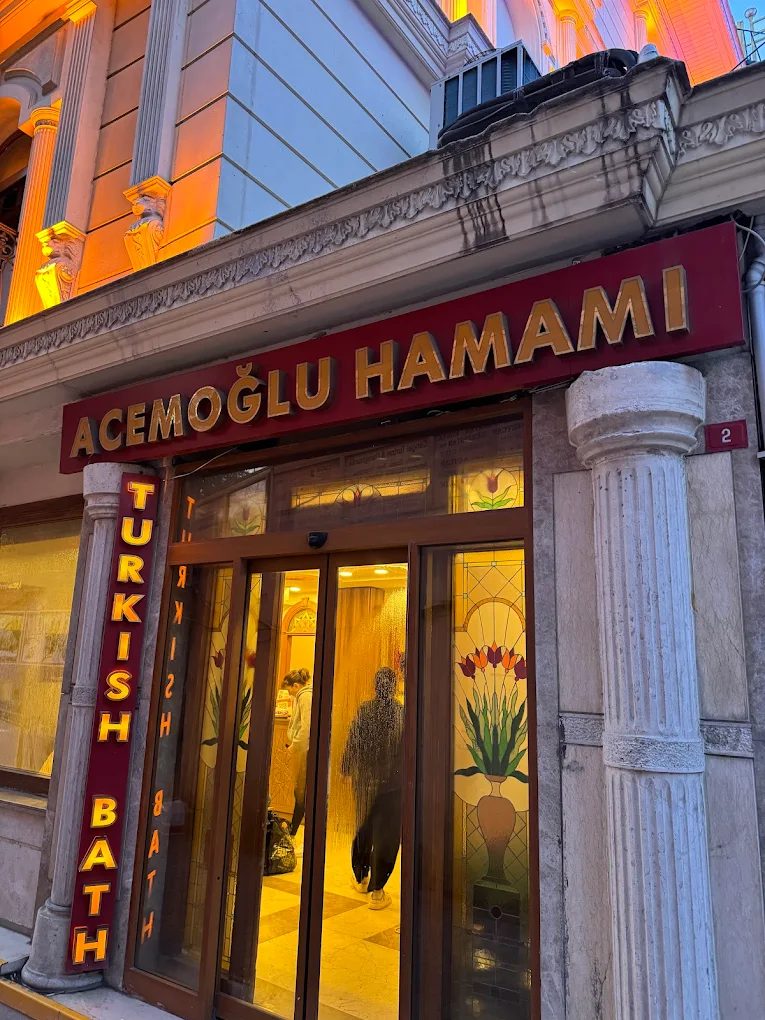
If you want to personally experience the benefits of a Turkish bath and immerse yourself in authentic relaxation, we invite you to visit Acemoğlu Hammam. Here, you can enjoy all the rituals described in this article, from the steam room to the kese massage, in an environment designed to revitalize both body and mind. Don’t miss the opportunity to discover how a Turkish bath can transform your daily wellness routine.